


 Cart
Cart
 sales@molnova.com



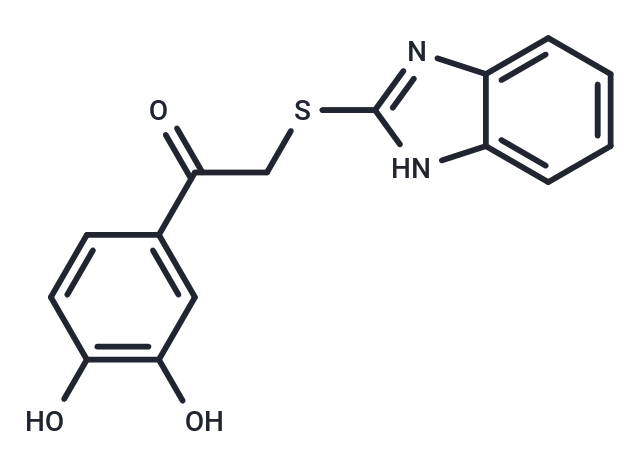
NNC 92-1687
CAS No. 22903-37-3
NNC 92-1687( —— )
Catalog No. M34348 CAS No. 22903-37-3
NNC 92-1687 is a selective glucagon receptor antagonist that can be used to study type 2 diabetes.
Purity : >98% (HPLC)
 COA
Datasheet
HNMR
HPLC
MSDS
Handing Instructions
COA
Datasheet
HNMR
HPLC
MSDS
Handing Instructions
| Size | Price / USD | Stock | Quantity |
| 2MG | 603 | Get Quote |


|
| 5MG | 922 | Get Quote |
|
| 10MG | 1121 | Get Quote |
|
| 25MG | 1454 | Get Quote |
|
| 50MG | 1822 | Get Quote |
|
| 100MG | 2250 | Get Quote |
|
| 500MG | Get Quote | Get Quote |
|
| 1G | Get Quote | Get Quote |
|
Biological Information
-
Product NameNNC 92-1687
-
NoteResearch use only, not for human use.
-
Brief DescriptionNNC 92-1687 is a selective glucagon receptor antagonist that can be used to study type 2 diabetes.
-
DescriptionNNC 92-1687 is a selective glucagon receptor antagonist that can be used to study type 2 diabetes.
-
In Vitro——
-
In Vivo——
-
Synonyms——
-
PathwayGPCR/G Protein
-
TargetGlucagon Receptor
-
RecptorGlucagon Receptor
-
Research Area——
-
Indication——
Chemical Information
-
CAS Number22903-37-3
-
Formula Weight300.33
-
Molecular FormulaC15H12N2O3S
-
Purity>98% (HPLC)
-
Solubility——
-
SMILESS(CC(=O)C1=CC(O)=C(O)C=C1)C=2NC=3C(N2)=CC=CC3
-
Chemical Name——
Shipping & Storage Information
-
Storage(-20℃)
-
ShippingWith Ice Pack
-
Stability≥ 2 years
Reference
molnova catalog



related products
-
HAEGTFTSD
HAEGTFTSD is the first N-terminal 1-9 residues of GLP-1 peptide.The GLP-1 (7-36) amide is a product of the preproglucagon gene, which is secreted from intestinal L-cells, in response to the ingestion of food.
-
GRA Ex-25
A potent glucagon receptor inhibitor with IC50 of 56 and 55 nM for rat and human glucagon receptors.
-
Glucagon-like peptid...
Glucagon-like peptide 1 (1-37), human is a highly potent agonist of the GLP-1 receptor.Pancreatic hormone synthesized by post-translational processing of proglucagon. Unlike truncated forms of GLP-1, it has no effect on food intake in rats and does not enhance pancreatic insulin secretion.
